MENU
HOUSING THE WORLD SAFE AND RESILIENT CITIES AND COMMUNITIES

Nature

Kharibulbul

Kharibulbul

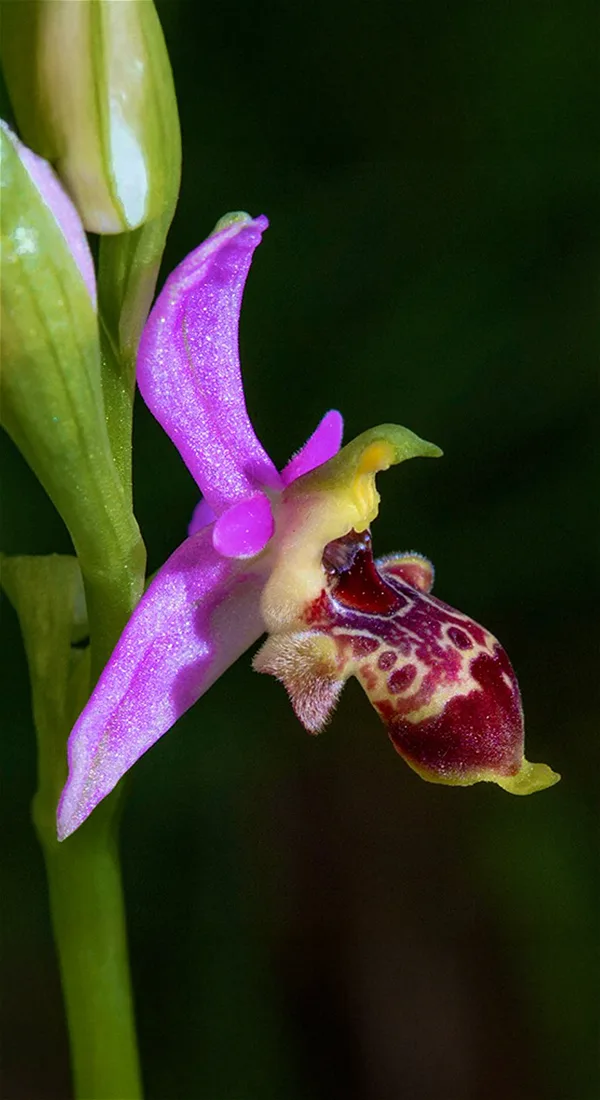
Kharibulbul, an endemic plant of Azerbaijan, is widely regarded as a symbol of Garabagh and the city of Shusha. Found predominantly on the Jydyr (Cıdır) Plain and in the area known as Gizil Gaya, the flower has come to embody freedom and resilience for the country.

A Caucasian endemic species, Kharibulbul is listed in the Red Book of the Republic of Azerbaijan as a rare and protected plant. Although its scientific name is Ophrys caucasica, the flower’s distinctive form - said to resemble a nightingale - inspired its Azerbaijani name. The word “khar” means “thorn”, evoking the poetic image of a nightingale perched upon a thorn.

Today, Kharibulbul is recognised as a symbol of biodiversity in the Karabakh region.

Oriental Plane Tree

Oriental Plane Tree

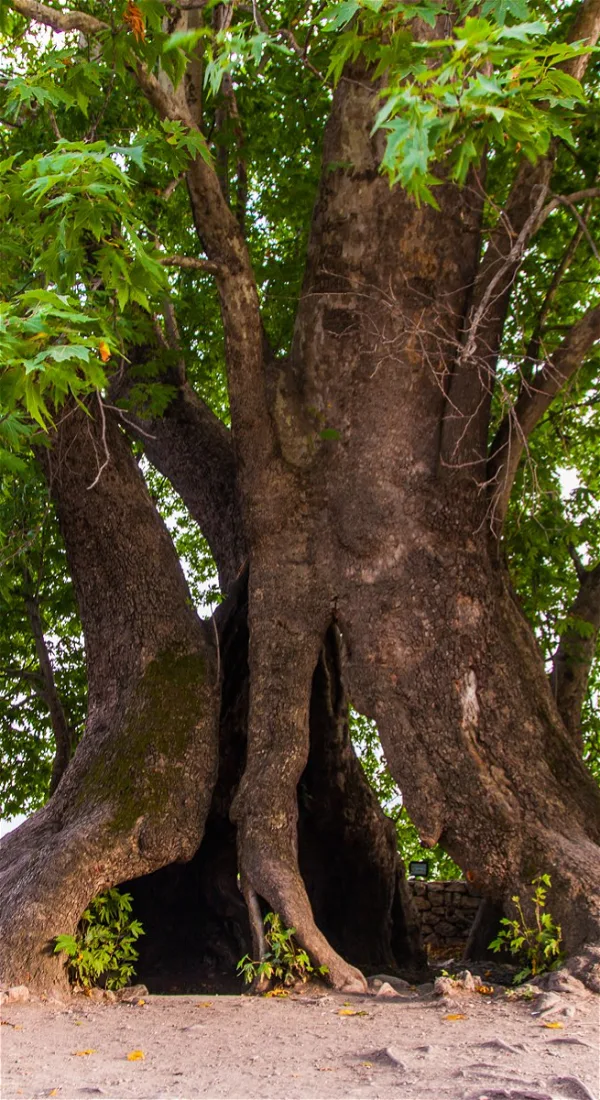
In Azerbaijani culture, the Oriental plane tree (Platanus orientalis) is valued not merely as a natural feature, but as a historically significant element of urban design. With its remarkable longevity, imposing scale and generous canopy, the plane tree has long symbolised continuity of life and the cohesion of community.

In many medieval Azerbaijani towns, a characteristic composition can be observed: the square, fountain, mosque, bathhouse and plane tree arranged as a unified civic ensemble.

Historically, plane trees played a central role in the planning of towns and villages. Their deep root systems, sustained by underground water sources, helped to stabilise the soil and enhance the resilience of surrounding structures.

Typically planted in public squares, near mosques and caravanserais, and along key thoroughfares, plane trees provided welcome shade while helping to shape communal gathering spaces. In warmer climates in particular, they became natural focal points of daily social life - places for rest, conversation and shared community experience.

Dozens of ancient plane trees have been preserved across Azerbaijan. In Sheki, two specimens believed to be around 500 years old are recognised as natural monuments of historical importance. Revered by local residents, they are now formally protected as part of the country’s register of natural heritage.

In the settlement of Basqal stands another remarkable example - one of the rare plane trees in the world bearing an inscription. The inscription records that it was planted in 1563 by Sheikh Safayi, son of Sheikh Mohammad. With its vast trunk and hollowed interior, the tree is regarded by the local community as a place of reverence and pilgrimage.

The Basitchay State Nature Reserve is located in the Zangilan district of the Republic of Azerbaijan, within the basin of the Basitchay River. The natural plane forest found here is regarded as one of the largest and rarest of its kind in the world, both in terms of its expanse and the physical scale of the trees.

It was established across an area of 107 hectares specifically to protect the Oriental plane tree and preserve this unique ecosystem.

Azerbaijani saffron

Azerbaijani saffron

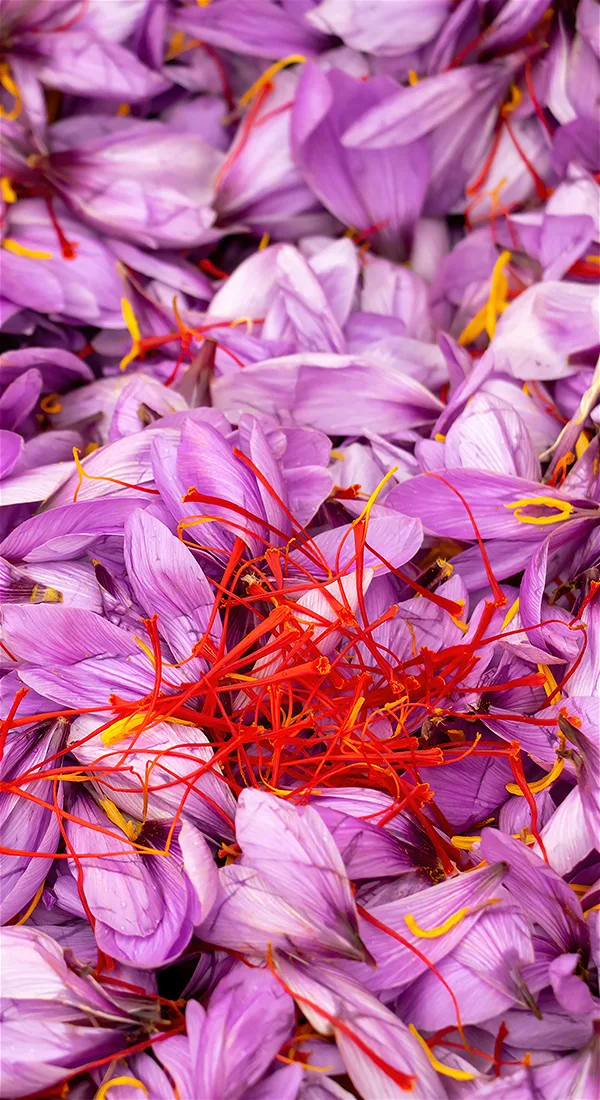
Saffron holds a distinctive place in Azerbaijani culture, valued both for its economic significance and its role in the country’s culinary tradition. Historically, its principal centre of cultivation and trade was the city of Baku, particularly the Absheron Peninsula.

Favourable climatic and soil conditions in this region created an ideal environment for saffron growing, enabling production not only to meet domestic demand but also for export.

From ancient times, saffron was transported along the Silk Road to distant regions, becoming one of the key commodities linking Azerbaijan to markets in both East and West. Its rarity and high value elevated it beyond the culinary sphere, giving it strategic importance in trade and cultural exchange alike.

In Azerbaijani cuisine, saffron is regarded as one of the principal spices. It is used in particular in the preparation of pilaf, a range of traditional sweets and certain beverages, imparting its distinctive colour, aroma and flavour.

For this reason, saffron occupies an important place not only in everyday cooking but also at festive and ceremonial tables, remaining an integral part of Azerbaijan’s culinary heritage to this day.

Rose

Rose

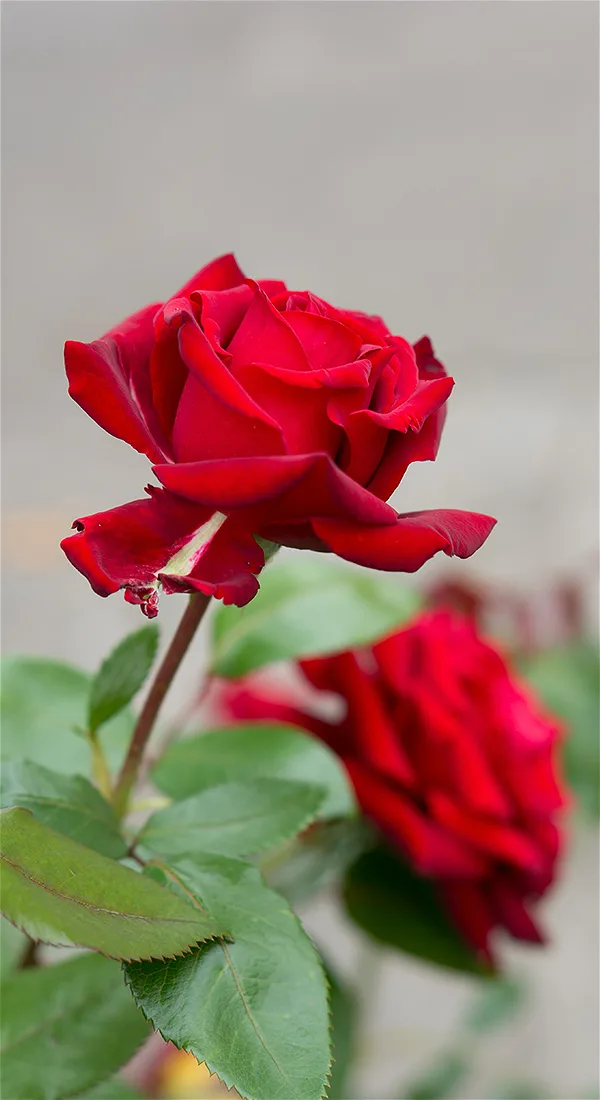
The rose occupies an important place in Azerbaijani culture, valued for its aesthetic appeal as well as its medicinal and culinary uses. Cultivated for centuries across various regions of the country, it has long been regarded as a symbol of beauty and refinement, while also finding wide application in everyday life - from gastronomy and traditional medicine to ceremonial customs and beyond.

In Azerbaijani gastronomy, the rose is prized as a distinctive aromatic ingredient, while in traditional healing practices it is used in a variety of infusions and preparations - including preserves, rosewater (gulab) and other extracts. Roses planted in gardens, courtyards, public spaces and palace grounds have enhanced the aesthetic character of the landscape, playing a notable role in the development of urban design and horticultural traditions.

A stroll through the rose plantations of “Lecheq Farm & Distillery” in the village of Ashaghi Tala, Zagatala, feels almost like stepping into a small paradise. Established in 2016, the farm cultivates Damask roses alongside narrow-leaved lavender and mint.

Lavender

Lavender

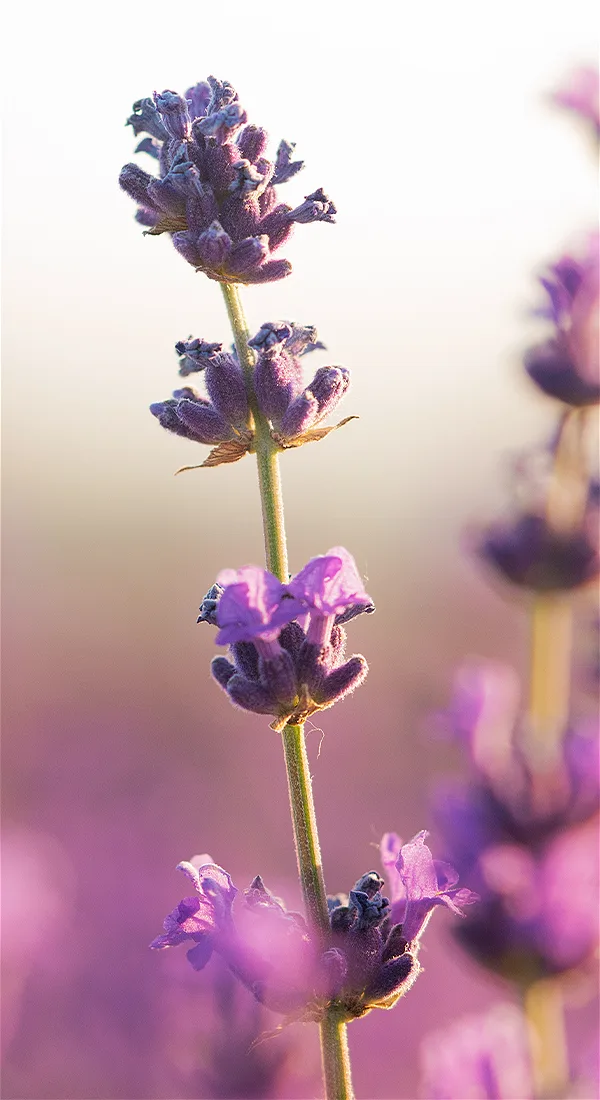
Lavender is cultivated worldwide as an ornamental plant, as a culinary herb and for the extraction of essential oils prized for their therapeutic properties. These oils are commonly used to help alleviate anxiety, treat minor infections and wounds, ease pain and support hair care. Valued for its delicate fragrance, lavender is also appreciated for its versatility across a wide range of applications.

To experience the many benefits of lavender first-hand, visitors to Azerbaijan can explore the “Essenso” lavender plantation, located in the north-west of Gabala at the foot of the Caucasus Mountains. Spanning 30 hectares, the farm lies in the village of Chukhur Gabala.